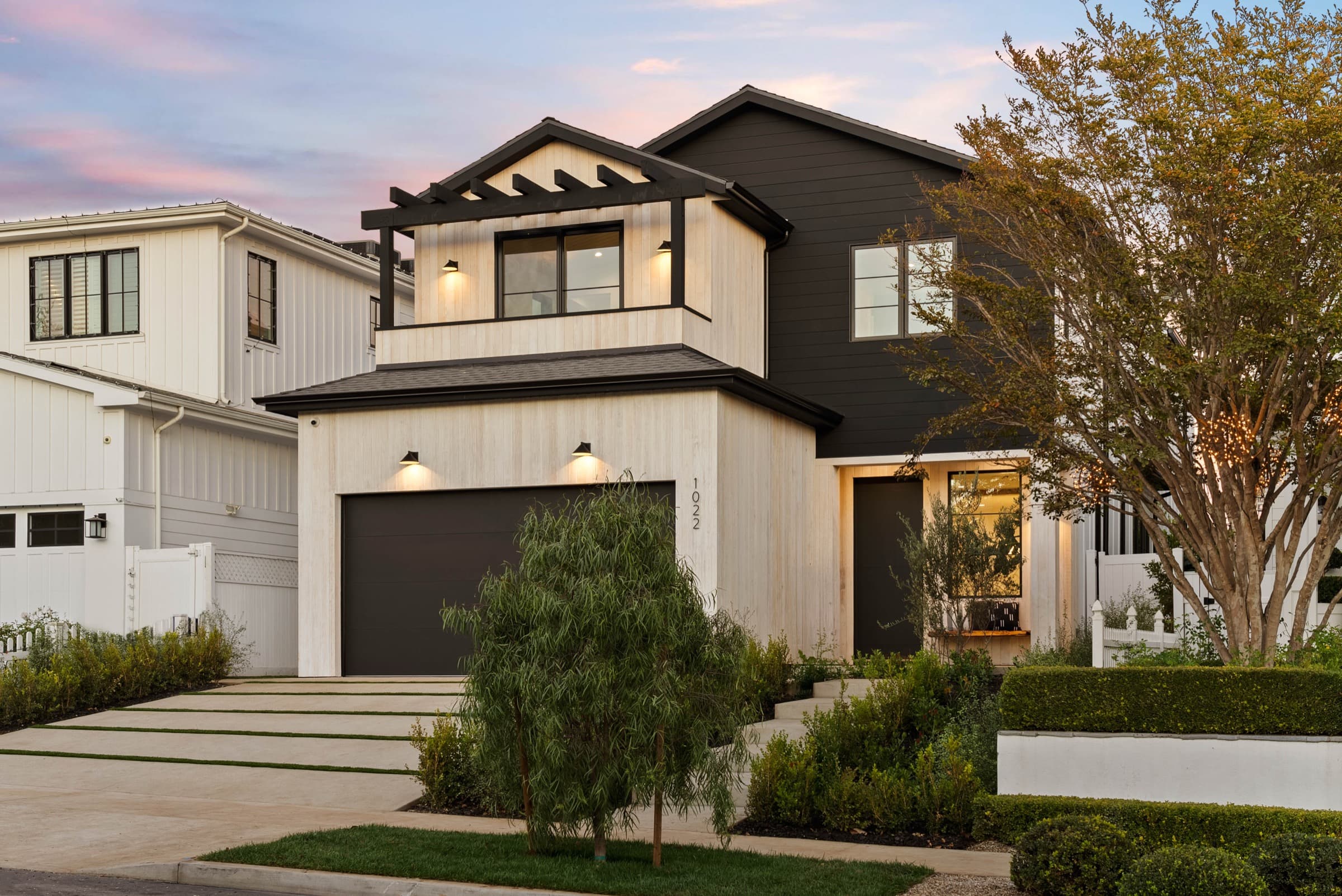
When JJP Construction quotes the Galloway Standard rebuild at $550 per square foot, the question we hear most often is: what does that actually include? It’s a fair question, and the answer is worth spelling out clearly — because what’s in and what isn’t matters a great deal when you’re negotiating with an insurance carrier.
What’s Included in $550/sqft
Every Shelter rebuild at $550 per square foot includes the following — no surprises, no add-ons mid-project.
Architectural Design and Engineering Drawings
Full architectural plans, structural engineering calculations, and all technical documentation required for permit submission. You are not paying separately for an architect or a structural engineer. These are coordinated by JJP from the start and incorporated into the fixed price.
The Full LADBS Permit Package
Permit applications, plan check submissions, responses to correction letters, and ongoing tracking through the LADBS review process. This includes Title 24 energy compliance documentation. For lots in the California Coastal Zone, Coastal Development Permit coordination is included. JJP manages the permit process in-house — it is not outsourced to a third party.
The Complete WUI Fire-Hardening Package
The Galloway Standard is built to 2026 California Wildland-Urban Interface (WUI) code standards — not the minimum, the standard. That means:
- Class-A rated roofing system
- Ember-resistant venting on all openings
- Tempered, dual-pane glass throughout
- Non-combustible or ignition-resistant exterior cladding
These are the materials and systems that give a home a meaningful chance of surviving the next fire event. They are included in the base price, not an upgrade.
Geotechnical and Soil Report Coordination
For hillside lots — which covers most of Pacific Palisades — a licensed geotechnical engineer must conduct soil sampling and produce a report before structural plans can be finalized. JJP coordinates the geotechnical engineer, integrates the findings into the structural design, and includes this in the fixed price.
Full Construction from Foundation to Certificate of Occupancy
This means everything: foundation pour, framing, roofing, exterior cladding, windows and doors, rough mechanical and electrical and plumbing, insulation, drywall, interior finish work, cabinetry, flooring, tile, fixtures, and trim. Everything you see and everything hidden inside the walls.
One Project Manager. One Phone Number.
From contract signing to key handover, you have a single point of contact who is responsible for every subcontractor, every inspection, and every decision. You are not managing the project yourself or coordinating between separate trades.
What’s Not Included — and Why
Three categories of costs fall outside the fixed price because they vary too much by lot to bundle into a standard package. JJP discloses these at the estimate stage, before you sign anything.
- Utility reconnections.Reconnecting gas, water, electrical service, and sewer involves utility company fees and timelines that JJP coordinates but doesn’t control in terms of cost.
- Demolition of remaining structure. If your lot still has a standing foundation, partial walls, or debris requiring removal before construction can begin, that cost is quoted as a site-specific line item. Government debris removal programs may cover part of this.
- Unusual grading. Standard lot grading is included. If your lot has extreme grade changes, significant retaining wall requirements, or unusual drainage conditions, those are quoted specifically to your site.
How This Compares to Other Options
Comparable packaged rebuild offerings from other builders in the market start at $650 per square foot and go up. JJP at $550 is at the lower end of the fixed-price market — not because corners are being cut, but because JJP has built in Los Angeles since 2010 and has the subcontractor relationships and process efficiency that newer entrants to the market don’t have.
Hiring an architect separately and then a general contractor separately typically costs more, not less, than a packaged offering — once you account for coordination time, change orders, and the learning curve of working with people who aren’t familiar with the Coastal Zone or hillside permit process.
The Fixed-Price Contract and Your Insurance Claim
A signed, fixed-price contract from a licensed contractor is the most valuable document you can hand your insurance adjuster. It converts an estimate into a commitment. Adjusters are required to respond to documented actual costs, not theoretical software numbers.
Many JJP clients have seen their insurance settlement improve meaningfully after presenting a signed fixed-price contract as part of their documentation. The contract shows exactly what the rebuild costs and why — line by line. That’s something an adjuster’s Xactimate printout cannot easily dispute.