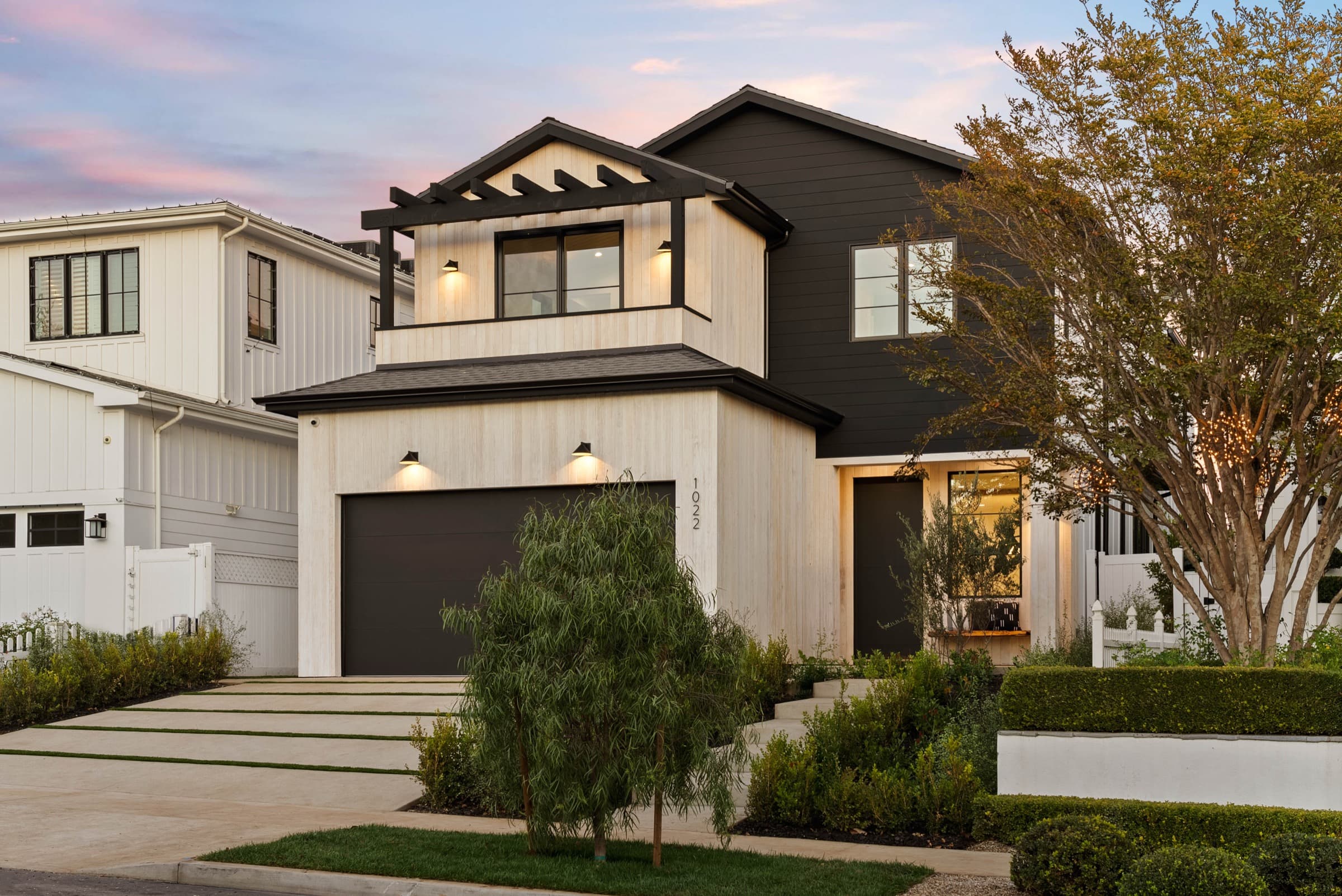
One year after the January 2025 Palisades fire, roughly one home in the affected area had been fully rebuilt and occupied. That number tells you something about how complicated this process is. It also reflects a specific problem: most homeowners spent the first six to twelve months after the fire navigating insurance and making decisions instead of building.
If you start the process efficiently and sign with a contractor who knows the Palisades permit process, a fire rebuild takes roughly 10 to 13 months from signing a contract to move-in. Here’s how that breaks down — phase by phase — and what causes it to take longer.
Months 1–4: Design and Permits
The permit phase is the biggest variable in any rebuild timeline. It involves several overlapping workstreams that must happen in a specific sequence.
Architectural Plans and Engineering (4 to 6 Weeks)
Before anything goes to the permit office, your contractor or architect needs to produce a full set of architectural drawings, structural engineering calculations, Title 24 energy compliance documentation, and — for hillside lots — integrated geotechnical findings. This is not a fast process and cannot be shortcut. The quality of the documents submitted to LADBS determines how many correction rounds are needed.
Geotechnical Report for Hillside Lots (2 to 4 Weeks)
If your lot has significant grade — which describes most of Pacific Palisades — a licensed geotechnical engineer must conduct soil sampling and produce a written report before the structural engineer can finalize the foundation design. After a wildfire, the geotech may also evaluate changes to soil conditions caused by the fire and any subsequent debris flows.
LADBS Plan Check (12 to 16 Weeks on the Expedited Track)
After permit submittal, LADBS reviews the plans and typically issues one or more rounds of correction letters requiring written responses before approval is granted. On the standard track, this takes longer. On the expedited review track for wildfire rebuilds, 12 to 16 weeks is realistic — if the plans are complete and well-prepared. Incomplete submittals generate more corrections and longer review cycles.
Coastal Development Permit (If Applicable)
Most of Pacific Palisades falls within the California Coastal Zone, which means any new construction requires a Coastal Development Permit from the California Coastal Commission in addition to LADBS approval. The Coastal Commission has a streamlined process for wildfire rebuilds that are like-for-like replacements — same footprint, same height, same use. Under the streamlined track, CDP review typically takes 6 to 12 weeks. If the rebuild involves changes in footprint, height, or location on the lot, the review takes longer.
Months 4–10: Construction
Once permits are approved and the lot is cleared, construction begins. A standard Shelter build — 2,400 square feet, standard lot — takes approximately 6 months from ground-breaking to certificate of occupancy. Here’s the phase breakdown:
- Foundation and slab: 3 to 4 weeks
- Framing: 4 to 6 weeks
- Roofing: 2 weeks
- Rough MEP (mechanical, electrical, plumbing): 3 to 4 weeks
- Insulation and drywall: 3 weeks
- Interior finish (flooring, cabinetry, tile, trim, fixtures): 6 to 8 weeks
- Punch list and certificate of occupancy inspection: 2 to 3 weeks
Hillside lots with complex foundation requirements add time to the foundation and framing phases specifically. The extent depends on the geotechnical report findings.
Months 10–13: Certificate of Occupancy and Move-In
Move-in happens when the city issues a certificate of occupancy, confirming the home is legally livable. At that point, JJP coordinates the final walkthrough, hands over keys, and provides the documented scope of work and build costs to support your insurance financial reclaim.
What Causes Delays
Most Palisades rebuild delays come from a predictable set of causes — almost all of which are avoidable.
Late Start
The permit clock only starts when plans are submitted. Families who spent six months after the fire deciding what to do are six months behind on permits before they even start. The sooner you sign and get into the permit queue, the sooner you build.
Incomplete Permit Submittals
LADBS plan check correction letters are normal — most projects get at least one round. But submitting incomplete plans generates more corrections and longer cycles. Contractors who are experienced with LADBS know what to include the first time.
Subcontractor Scheduling
With thousands of homes to rebuild in the Palisades, demand for skilled subcontractors in LA is intense. Contractors who have long-standing relationships with their trades — framers, plumbers, electricians, tile setters — are better positioned to hold their schedules than those scrambling to fill crews on each project.
Mid-Project Design Changes
Every significant design change after permits are submitted has the potential to require a plan check resubmittal, which resets part of the review clock. Agreeing on the full scope of work before permit submittal — and holding to it — is how the timeline stays intact.
What to Do Right Now
If you haven’t signed with a contractor yet, the most valuable thing you can do is start. The families making the most progress today are the ones who made decisions early — signed a contract, got into permit, and will be breaking ground soon. The permit queue in LA is not getting shorter. Every month you wait is a month added to your timeline, and your ALE coverage is running out regardless.